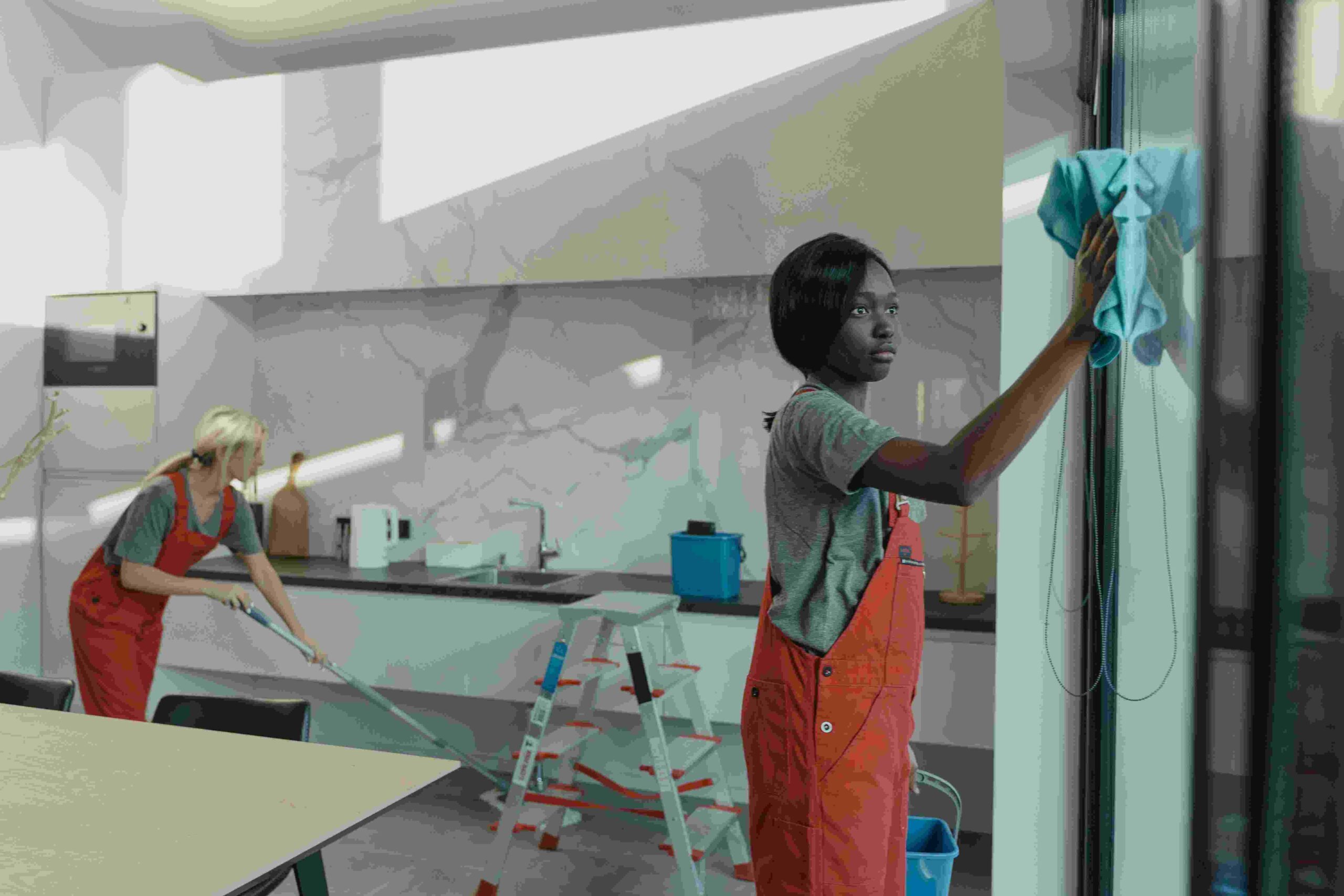
Professional Cleaning Tips for Delicate Surfaces and Fabrics
Cleaning delicate surfaces and fabrics requires special care and attention. Unlike regular household materials, delicate items can easily become damaged if cleaned incorrectly. Surfaces such as marble, glass, polished wood, and fabrics like silk, velvet, and wool need gentle cleaning techniques to maintain their appearance and durability.

Professional cleaners use specific methods to protect fragile materials while still removing dust, stains, and bacteria effectively. By understanding the right tools, cleaning products, and techniques, homeowners can safely clean delicate surfaces and fabrics without causing scratches, fading, or permanent damage.
Learning these professional tips will help keep your valuable household items clean, well-maintained, and long-lasting.
Understanding Delicate Surfaces and Fabrics
Delicate surfaces and fabrics are materials that can easily be damaged by strong chemicals, rough scrubbing, or excessive moisture. These materials often require gentle cleaning solutions and careful handling.
Common delicate surfaces include:
- Marble and granite countertops
- Glass tables and mirrors
- Polished wood furniture
- Stainless steel appliances
- Ceramic decorations
Common delicate fabrics include:
- Silk clothing and curtains
- Wool blankets and carpets
- Velvet upholstery
- Linen fabrics
- Lace textiles
Because these materials are sensitive, using improper cleaning techniques may cause scratches, discoloration, or weakening of fibers.
Why Special Cleaning Methods Are Necessary
Delicate materials require special care for several reasons.
Preventing Surface Damage
Harsh chemicals and abrasive tools can scratch or dull delicate surfaces.
Protecting Fabric Fibers
Delicate fabrics have fragile fibers that can break or shrink when exposed to strong detergents or high temperatures.
Preserving Appearance
Proper cleaning helps maintain the natural shine, texture, and color of delicate materials.
Extending Lifespan
Careful maintenance prevents premature wear and keeps valuable items in good condition for years.
Professional cleaning techniques help maintain both beauty and durability.
Essential Tools for Cleaning Delicate Materials
Using the right tools is extremely important when working with delicate surfaces and fabrics.
| Cleaning Tool | Purpose |
|---|---|
| Microfiber cloth | Gentle dusting and polishing |
| Soft-bristle brush | Removing dust from fabrics |
| Spray bottle | Applying light cleaning solutions |
| Soft sponge | Gentle wiping of surfaces |
| Lint roller | Removing dust and hair from fabric |
| Cotton cloth | Polishing delicate surfaces |
These tools reduce the risk of scratching or damaging sensitive materials.
Cleaning Delicate Fabric Safely
Fabrics such as silk, velvet, and wool require gentle cleaning methods to protect their fibers.
Hand Washing Method
- Fill a basin with cool or lukewarm water.
- Add a mild detergent designed for delicate fabrics.
- Gently swirl the fabric in the water without rubbing.
- Rinse carefully with clean water.
- Press the fabric gently to remove excess water.
- Allow the fabric to air dry.
Avoid twisting or wringing delicate fabrics because it can damage the fibers.
Removing Stains from Delicate Fabrics
Stain removal must be done carefully to prevent permanent damage.
Professional Stain Removal Steps
- Blot the stain gently with a clean cloth.
- Apply a small amount of mild detergent or stain remover.
- Dab the area softly instead of rubbing.
- Rinse with cool water.
- Allow the fabric to dry naturally.
Testing the cleaning solution on a hidden area first helps ensure it will not damage the fabric.
Cleaning Marble and Stone Surfaces
Marble and natural stone are beautiful but sensitive materials. Strong acids or abrasive cleaners can damage their surfaces.
Safe Marble Cleaning Method
- Use a soft microfiber cloth to remove dust.
- Mix warm water with a small amount of mild dish soap.
- Wipe the surface gently.
- Dry the surface with a clean cloth.
Avoid acidic cleaners such as vinegar or lemon juice when cleaning marble.
Cleaning Glass and Mirror Surfaces
Glass surfaces can show fingerprints and smudges easily. Proper cleaning keeps them clear and streak-free.
Glass Cleaning Steps
- Spray a small amount of glass cleaner onto a microfiber cloth.
- Wipe the surface in circular motions.
- Use a dry cloth to remove streaks.
Avoid using rough cloths or paper towels that may leave scratches or lint.
Caring for Polished Wooden Furniture
Wood furniture adds warmth and beauty to any home but must be cleaned gently.
Wood Cleaning Tips
- Dust furniture regularly using a microfiber cloth.
- Use a wood-safe cleaner for deeper cleaning.
- Avoid excessive moisture when wiping surfaces.
- Polish occasionally to maintain shine.
Keeping wooden furniture clean prevents dullness and protects its finish.
Cleaning Stainless Steel Without Scratches
Stainless steel appliances are durable but can show fingerprints and smudges.
Cleaning Method
- Wipe the surface with a damp microfiber cloth.
- Apply a small amount of mild cleaner if necessary.
- Wipe in the direction of the steel grain.
- Dry with a soft cloth.
This method helps maintain the natural shine of stainless steel surfaces.
Safe Cleaning Solutions for Delicate Materials
Certain cleaning solutions are safe for delicate surfaces and fabrics.
| Cleaning Solution | Suitable Use |
|---|---|
| Mild dish soap | Fabric and surface cleaning |
| Specialized fabric detergent | Delicate clothing |
| Wood polish | Wooden furniture care |
| Glass cleaner | Mirrors and glass surfaces |
| Warm water solution | Gentle everyday cleaning |
Using mild products prevents damage and ensures effective cleaning.
Preventing Damage to Delicate Surfaces and Fabrics
Preventive care is just as important as cleaning.
Helpful preventive tips include:
- Avoid placing heavy objects on delicate surfaces
- Use protective covers for furniture
- Keep delicate fabrics away from direct sunlight
- Clean spills immediately
- Store delicate items carefully
These steps reduce wear and help maintain the appearance of valuable materials.
Common Cleaning Mistakes to Avoid
Certain mistakes can damage delicate surfaces and fabrics.

Common errors include:
- Using harsh chemical cleaners
- Scrubbing with rough brushes or sponges
- Applying excessive water
- Ignoring manufacturer care instructions
- Using high heat when drying delicate fabrics
Avoiding these mistakes helps protect delicate materials.
Maintaining Delicate Items Regularly
Regular maintenance keeps delicate materials in good condition and reduces the need for heavy cleaning.
Recommended maintenance tasks include:
| Maintenance Task | Frequency |
|---|---|
| Dust delicate surfaces | Weekly |
| Clean glass and mirrors | Weekly |
| Wash delicate fabrics | As needed |
| Polish wooden furniture | Monthly |
| Inspect fabrics for stains | Regularly |
Consistent care helps maintain both the beauty and durability of delicate household items.
Benefits of Professional Cleaning Techniques
Using professional cleaning methods for delicate materials provides several advantages.
Important benefits include:
- Preventing accidental damage
- Maintaining the natural appearance of materials
- Extending the lifespan of furniture and fabrics
- Improving overall household cleanliness
- Protecting valuable items from wear
When delicate surfaces and fabrics are cleaned carefully with proper techniques, they remain beautiful, functional, and well-preserved for many years.
Read More Like This: Natural Cleaning Solutions That Replace Harsh Chemical Cleaners
Conclusion
Cleaning delicate surfaces and fabrics requires patience, gentle techniques, and the right cleaning tools. Materials such as marble, glass, polished wood, silk, and velvet can easily be damaged by harsh chemicals, excessive moisture, or rough scrubbing. By using mild cleaning solutions, soft cloths, and careful handling, it becomes possible to remove dust, stains, and dirt while protecting the quality of these sensitive materials.
Regular maintenance and preventive care also play an important role in keeping delicate items in excellent condition. Simple habits such as dusting frequently, cleaning spills quickly, and avoiding strong cleaning products can help preserve the appearance, texture, and durability of valuable surfaces and fabrics.
With proper care and professional cleaning techniques, delicate household items can remain clean, elegant, and long-lasting, helping maintain a well-organized and attractive home environment.
Frequently Asked Questions (FAQs)
1. What are considered delicate surfaces in a home?
Delicate surfaces include materials such as marble, granite, polished wood, glass, stainless steel, and decorative ceramics that can be easily scratched or damaged by strong cleaners.
2. Which fabrics are classified as delicate?
Fabrics like silk, wool, velvet, linen, and lace are considered delicate because their fibers can be easily damaged by heat, strong detergents, or rough handling.
3. What is the safest tool for cleaning delicate surfaces?
A soft microfiber cloth is one of the safest and most effective tools because it removes dust and dirt without scratching surfaces.
4. Can I use regular household cleaners on delicate materials?
It is better to avoid strong chemical cleaners. Instead, use mild detergents, gentle cleaning solutions, or products designed specifically for delicate surfaces.
5. How should stains be removed from delicate fabrics?
Stains should be blotted gently, treated with a mild detergent, and rinsed with cool water. Avoid rubbing the fabric aggressively.
6. Why should excessive water be avoided when cleaning delicate surfaces?
Too much water can cause stains, warping, or damage, especially on wood and certain fabrics.
7. How often should delicate surfaces be cleaned?
Light dusting should be done weekly, while deeper cleaning can be performed occasionally depending on usage.
8. Can natural cleaning solutions be used on delicate surfaces?
Yes, mild natural solutions such as warm water with a small amount of gentle soap can be used carefully on many delicate materials.
9. How can I protect delicate furniture from damage?
Use protective covers, avoid placing heavy objects, clean spills quickly, and dust regularly to prevent damage.
10. Where can I find more helpful cleaning guides and tips?
You can visit https://jinty.space/ to explore more cleaning advice and practical household tips from Ahmad Nawaz.
For More Tips Visit Our Website: Jinty.space