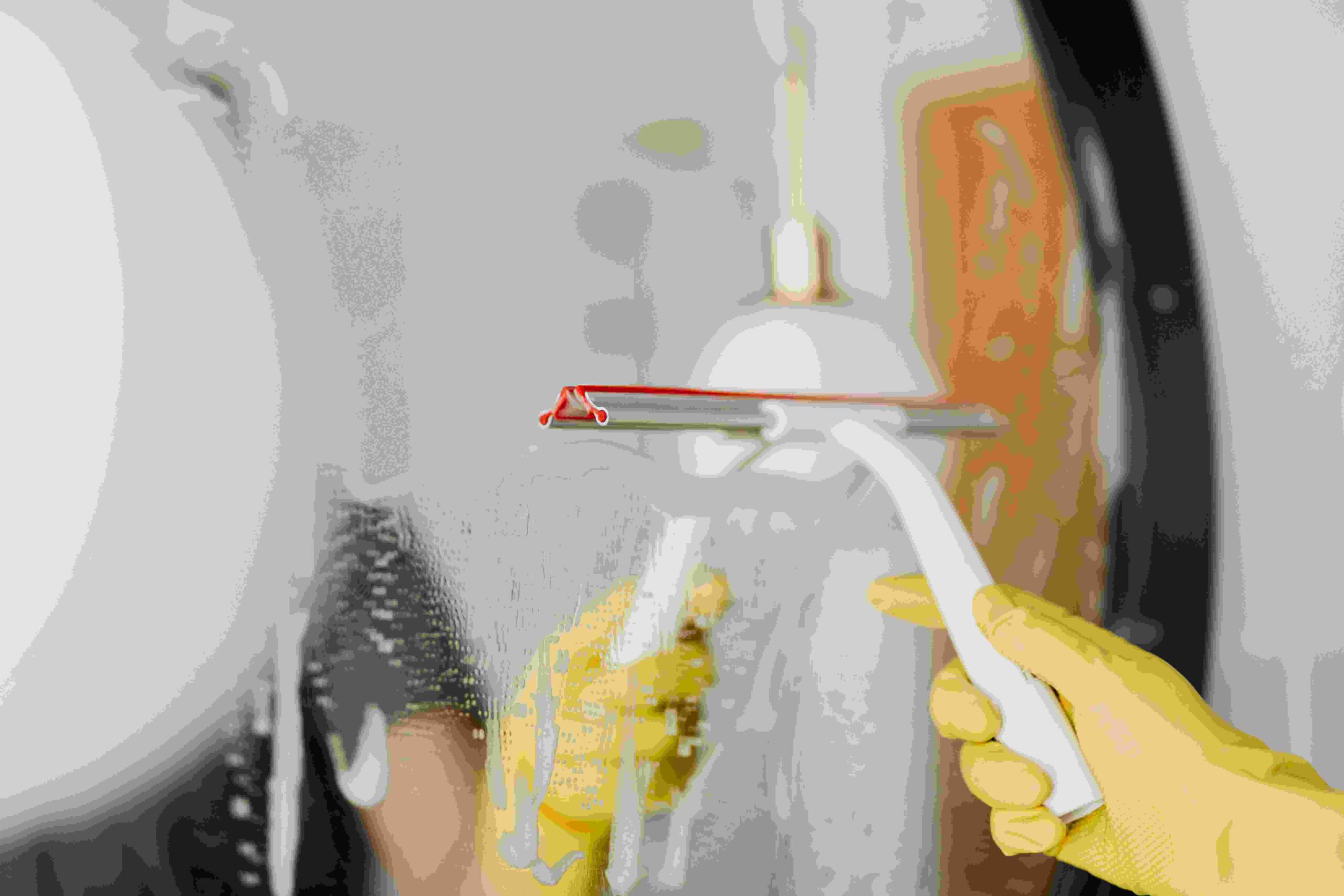
Bathroom Mold Removal Tips That Actually Work
Bathrooms are one of the most common places in a home where mold develops. Because bathrooms often have high humidity, warm temperatures, and frequent water exposure, they create the perfect environment for mold growth. Mold not only looks unpleasant but can also produce unpleasant odors and potentially affect indoor air quality.
Removing bathroom mold quickly and properly is essential to keep your bathroom clean, healthy, and comfortable. Fortunately, there are several practical and effective methods that can eliminate mold and prevent it from returning. With the right techniques and consistent maintenance, you can keep your bathroom mold-free without spending a lot of money.
This guide explains proven bathroom mold removal tips that actually work and help maintain a cleaner environment.
Understanding Why Mold Grows in Bathrooms
Before removing mold, it is important to understand why it appears in the first place.
Mold thrives in areas that have:
- High humidity
- Poor ventilation
- Frequent water exposure
- Warm temperatures
- Organic surfaces like wood or fabric
Bathrooms provide all of these conditions, especially in areas such as showers, bathtubs, sinks, and ceilings.
Common Bathroom Mold Locations
| Area | Reason Mold Appears |
|---|---|
| Shower tiles | Constant moisture |
| Bathroom ceiling | Steam accumulation |
| Grout lines | Water trapped in cracks |
| Around sinks | Frequent splashes |
| Shower curtains | Damp surfaces |
Identifying these problem areas helps you target mold more effectively.
Improve Bathroom Ventilation
Poor ventilation is one of the biggest causes of mold growth in bathrooms. Improving airflow can significantly reduce moisture levels.
Ways to Improve Ventilation
- Turn on the exhaust fan during and after showers
- Open windows when possible
- Keep the bathroom door slightly open after use
- Use a dehumidifier if humidity levels are high
Better air circulation allows moisture to dry faster, making it harder for mold to grow.
Use Vinegar for Natural Mold Removal
White vinegar is a powerful natural cleaner that can kill many types of mold without using harsh chemicals.
Vinegar Mold Cleaning Method
| Step | Action |
|---|---|
| Step 1 | Pour white vinegar into a spray bottle |
| Step 2 | Spray directly on the moldy surface |
| Step 3 | Let it sit for 30–60 minutes |
| Step 4 | Scrub gently with a brush |
| Step 5 | Rinse with warm water and dry |
Vinegar also helps eliminate mold odors while disinfecting surfaces.
Baking Soda for Safe Mold Cleaning
Baking soda is another natural ingredient that works well for removing mold and preventing odor buildup.
Baking Soda Cleaning Solution
| Ingredient | Amount |
|---|---|
| Baking soda | 1 tablespoon |
| Water | 1 cup |
Cleaning Steps
- Mix baking soda and water in a spray bottle.
- Spray the solution on the moldy area.
- Scrub with a sponge or brush.
- Rinse with water and wipe dry.
Baking soda is safe for most bathroom surfaces and leaves no harmful residue.
Hydrogen Peroxide for Strong Mold Removal
Hydrogen peroxide is a powerful disinfectant that can kill mold spores and bacteria effectively.
How to Use Hydrogen Peroxide
| Step | Action |
|---|---|
| Step 1 | Pour 3% hydrogen peroxide into a spray bottle |
| Step 2 | Spray the moldy surface |
| Step 3 | Wait about 10–15 minutes |
| Step 4 | Scrub the surface |
| Step 5 | Wipe clean with a cloth |
This method works particularly well on tiles, grout, and bathroom walls.
Cleaning Mold from Grout Lines
Grout lines between tiles often collect moisture and become a common place for mold growth.
Grout Cleaning Mixture
| Ingredient | Purpose |
|---|---|
| Baking soda | Removes stains |
| Vinegar | Kills mold |
| Brush | Scrubbing grout |
Steps to Clean Grout
- Apply baking soda paste to grout lines.
- Spray vinegar over the paste.
- Allow the mixture to foam.
- Scrub using a small brush.
- Rinse and dry thoroughly.
Regular grout cleaning prevents mold buildup.
Remove Mold from Shower Curtains
Shower curtains are constantly exposed to water and can easily develop mold spots.
Shower Curtain Cleaning Tips
| Method | Description |
|---|---|
| Machine washing | Wash with warm water and detergent |
| Vinegar rinse | Add vinegar during rinse cycle |
| Baking soda | Sprinkle during wash cycle |
Allow the curtain to dry completely before placing it back in the bathroom.
Keep Bathroom Surfaces Dry
Moisture control is one of the best ways to prevent mold from forming again.
Helpful habits include:
- Wiping shower walls after use
- Drying bathroom floors quickly
- Hanging towels properly so they dry faster
- Using absorbent bath mats
These simple habits reduce the moisture that mold needs to grow.
Use Mold-Resistant Products
Many modern bathroom materials are designed to resist mold growth.
Mold-Resistant Options
| Product | Benefit |
|---|---|
| Mold-resistant paint | Prevents mold on walls |
| Anti-mold grout | Reduces moisture absorption |
| Waterproof shower curtains | Resists mold formation |
These products provide additional protection against mold development.
Regular Bathroom Cleaning Routine
Consistent cleaning helps stop mold from spreading and keeps the bathroom hygienic.
Recommended Cleaning Schedule
| Task | Frequency |
|---|---|
| Wipe shower surfaces | After each use |
| Clean tiles and grout | Weekly |
| Wash shower curtain | Monthly |
| Check ceiling for mold | Monthly |
| Deep bathroom cleaning | Every few months |
Maintaining this routine keeps mold problems under control.
Signs Mold Needs Immediate Attention
Sometimes mold problems become more serious and require immediate cleaning.
Warning Signs
- Strong musty smell in the bathroom
- Dark spots spreading on walls or tiles
- Mold returning quickly after cleaning
- Increased humidity and condensation
Addressing these signs early prevents mold from spreading further.
Summary of Effective Bathroom Mold Removal Methods
| Method | Best Use |
|---|---|
| Vinegar spray | Natural mold removal |
| Baking soda solution | Gentle cleaning and deodorizing |
| Hydrogen peroxide | Strong disinfecting |
| Grout cleaning mixture | Tile grout mold removal |
| Proper ventilation | Prevents mold growth |
| Dry surfaces | Reduces moisture |
| Regular cleaning | Maintains mold-free bathroom |
Bathroom mold can be frustrating, but with the right cleaning techniques and preventive habits, it can be controlled effectively. Simple household ingredients and consistent maintenance can eliminate mold and keep your bathroom fresh, clean, and hygienic.
Read More Like This: Natural Carpet Cleaning Methods That Save Money
Conclusion
Bathroom mold can be a common problem, but it can be effectively controlled with the right cleaning methods and preventive habits. Using simple solutions such as vinegar, baking soda, and hydrogen peroxide helps remove mold safely while avoiding harsh chemicals. Regularly cleaning grout lines, shower curtains, and bathroom surfaces also prevents mold from spreading and keeps the space hygienic.
In addition, improving ventilation, keeping surfaces dry, and following a consistent cleaning routine play an important role in stopping mold from returning. By combining these practical strategies, homeowners can maintain a clean, fresh, and mold-free bathroom environment while protecting both their home and indoor air quality.
Frequently Asked Questions (FAQs)
Q1: Why does mold grow so easily in bathrooms?
Mold grows easily in bathrooms because of high humidity, warm temperatures, and constant moisture from showers, sinks, and bathtubs.
Q2: What is the most effective natural solution for removing bathroom mold?
White vinegar is one of the most effective natural solutions because it can kill many types of mold and remove odors without harmful chemicals.
Q3: Is baking soda safe for cleaning mold in bathrooms?
Yes, baking soda is safe and gentle. It helps remove mold stains, absorb moisture, and eliminate unpleasant odors.
Q4: How often should I clean my bathroom to prevent mold?
Light cleaning should be done weekly, while deeper cleaning of grout, tiles, and curtains can be done once or twice a month.
Q5: Can hydrogen peroxide remove tough mold stains?
Yes, hydrogen peroxide is a strong disinfectant that can kill mold spores and remove stubborn stains on tiles and walls.
Q6: How can I prevent mold from coming back?
Improve ventilation, keep surfaces dry, wipe down shower areas, and use exhaust fans to reduce humidity and prevent mold growth.
Q7: Is mold in bathrooms harmful to health?
In some cases, mold can cause allergies, breathing problems, and unpleasant odors, so it is important to remove it quickly.
Q8: What areas in the bathroom are most likely to develop mold?
Mold commonly appears on shower tiles, grout lines, ceilings, around sinks, and shower curtains where moisture is frequently present.
For More Tips Visit Our Website: Jinty.space