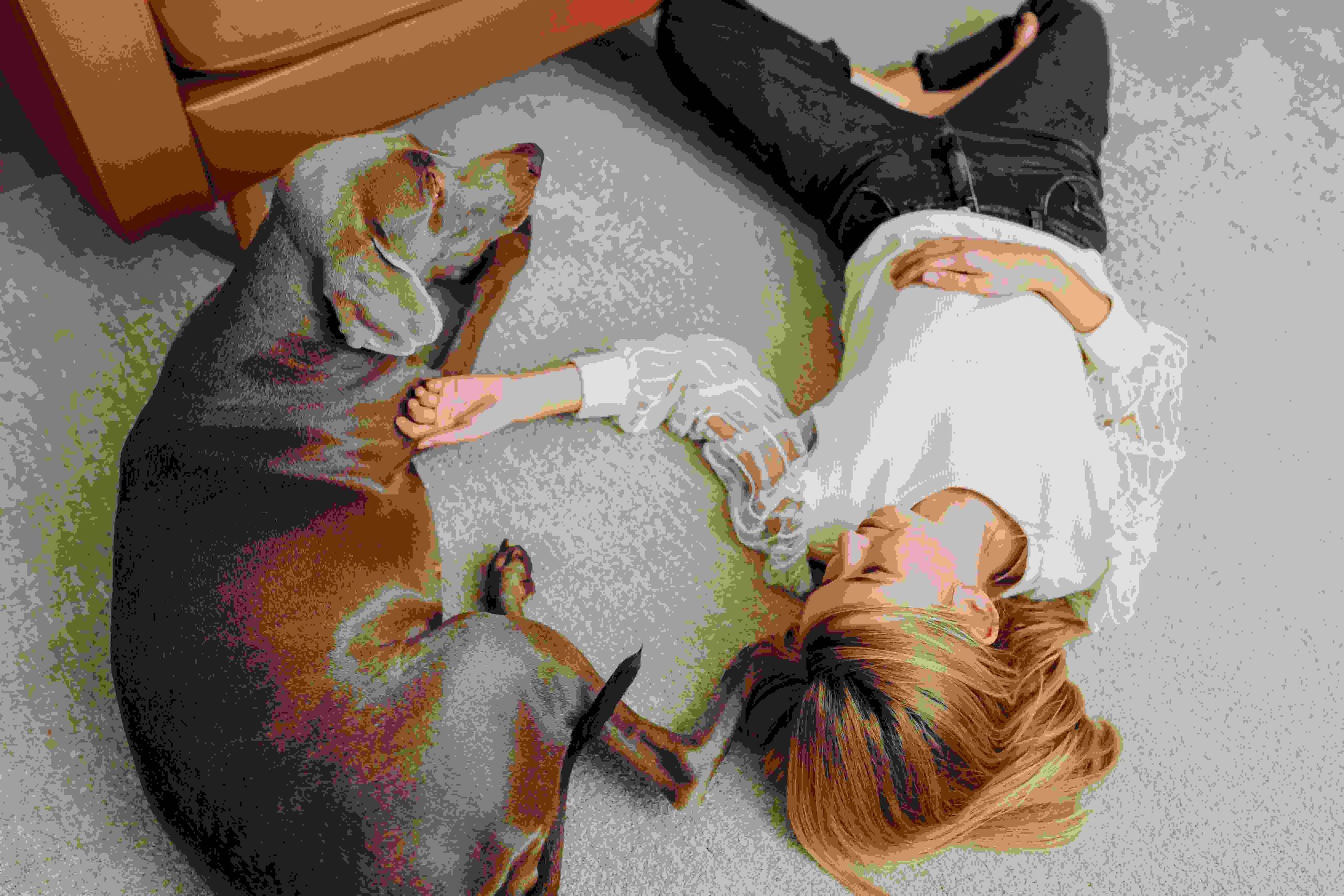
Effective Ways to Remove Pet Hair From Furniture
Pets bring joy, companionship, and comfort to our homes, but they also leave behind fur and hair that can quickly accumulate on furniture. Pet hair is not only unsightly but can also trigger allergies, cause dust buildup, and make your living space feel less clean. Removing pet hair effectively requires strategies, tools, and habits to keep furniture looking fresh and maintained.
This guide provides practical, long-lasting, and effective ways to remove pet hair from sofas, chairs, cushions, and other household furniture, while keeping your home hygienic.
Why Removing Pet Hair Is Important
Leaving pet hair unattended can cause several problems:
- Allergies and Respiratory Issues: Pet hair can carry dander, which may trigger sneezing, asthma, and other allergies.
- Hygiene: Hair traps dust, dirt, and bacteria, reducing overall cleanliness.
- Appearance: Hair-covered furniture looks messy and uninviting.
- Wear and Tear: Hair can cling to fabrics and accelerate fading or deterioration over time.
Regular cleaning of pet hair ensures a healthier, more comfortable, and visually appealing home.
Tools You’ll Need to Remove Pet Hair
Several tools make pet hair removal faster and more effective:
| Tool | Purpose |
|---|---|
| Lint roller | Quickly picks up hair from fabric surfaces |
| Rubber gloves | Creates friction to lift hair off furniture |
| Vacuum cleaner with pet attachment | Removes hair from upholstery and cushions |
| Fabric brush or upholstery brush | Dislodges embedded hair from dense fabrics |
| Microfiber cloth | Attracts hair using static electricity |
| Sticky tape | Quick fix for small areas |
Having the right tools on hand makes hair removal less frustrating and time-consuming.
1. Use a Lint Roller
Lint rollers are a simple and effective tool for removing pet hair from furniture.
Steps:
- Roll the lint roller over the surface of the sofa or chair.
- Apply extra pressure on areas with heavier hair accumulation.
- Replace sheets as they become full.
Lint rollers are perfect for quick daily touch-ups and are safe for most fabrics.
2. Rubber Glove Method
Rubber gloves create static friction that lifts pet hair from upholstery.
Steps:
- Wear a rubber glove (dishwashing gloves work well).
- Dampen the glove slightly with water.
- Rub your hand across furniture surfaces in circular motions.
- Gather hair into clumps and remove manually.
This method is eco-friendly, reusable, and effective for both fabric and leather furniture.
3. Vacuum with Pet Hair Attachments
A vacuum cleaner with a pet hair or upholstery attachment is one of the most efficient ways to remove embedded hair.
Steps:
- Attach the brush or suction tool for furniture.
- Vacuum all surfaces, including cushion seams, arms, and corners.
- Empty the vacuum canister or bag after each session.
Vacuuming is especially useful for carpets, rugs, and deep-seated pet hair on furniture.
4. Fabric or Upholstery Brush
Fabric brushes or upholstery brushes can loosen hair trapped in thick fabric fibers.
Steps:
- Brush in long strokes along the direction of the fabric.
- Collect the hair and dispose of it.
- Repeat weekly for consistent cleanliness.
Brushing also revives the appearance of the fabric while removing hair.
5. Microfiber Cloth Method
Microfiber cloths are excellent for attracting hair using static electricity.
Steps:
- Slightly dampen the cloth with water or a gentle fabric spray.
- Wipe the furniture surface in one direction.
- Rinse and repeat as needed.
This method works well for light hair accumulation and for finishing touches after vacuuming.
6. Sticky Tape Method
Sticky tape provides a quick solution for small or hard-to-reach areas.
Steps:
- Wrap tape around your fingers with the sticky side out.
- Pat the furniture surface to lift hair.
- Replace tape as it becomes covered.
This technique is ideal for sofas, chairs, or car seats in a hurry.
Preventing Excess Pet Hair on Furniture
In addition to removal techniques, prevention reduces hair buildup:

- Regular grooming: Brush pets daily to reduce shedding.
- Pet blankets or covers: Place washable covers on sofas and chairs.
- Designated pet areas: Encourage pets to stay off furniture if possible.
- Frequent cleaning: Vacuum and wipe surfaces weekly to prevent accumulation.
Preventive habits make hair removal easier and maintain a cleaner home environment.
Homemade Tips to Reduce Static Hair Cling
Static electricity causes hair to stick to furniture. Reduce it naturally:
- Use a damp cloth or sponge to wipe surfaces.
- Rub furniture with a dryer sheet to reduce static.
- Keep indoor humidity levels moderate to prevent static buildup.
These simple tips make hair removal more effective and quicker.
Benefits of Removing Pet Hair Regularly
Maintaining a pet hair-free home provides multiple advantages:
- Reduces allergen exposure
- Keeps furniture clean, fresh, and inviting
- Improves air quality and overall hygiene
- Makes cleaning less time-consuming in the long run
By combining proper tools, natural techniques, and preventive habits, pet hair can be effectively managed, keeping your furniture clean and your home comfortable.
Read More Like This: 5 DIY Eco-Friendly Cleaning Products for Your Kitchen
Conclusion
Removing pet hair from furniture is essential for maintaining a clean, comfortable, and healthy home. By using simple methods such as lint rollers, rubber gloves, vacuum attachments, fabric brushes, microfiber cloths, and sticky tape, you can effectively remove hair from sofas, chairs, and cushions.
In addition, preventive measures like regular pet grooming, using washable covers, and keeping pets in designated areas help reduce hair accumulation and make cleaning easier. Regular maintenance not only keeps furniture looking fresh and well-kept but also improves indoor air quality and hygiene, creating a more enjoyable living environment for both you and your pets.
Frequently Asked Questions (FAQs)
1. How often should I remove pet hair from furniture?
For homes with pets, it’s best to remove hair at least 2–3 times a week and vacuum weekly to prevent buildup.
2. Which method works best for heavy pet hair?
Using a vacuum cleaner with a pet hair or upholstery attachment combined with a rubber glove or brush is most effective for thick or embedded hair.
3. Can I use lint rollers on all types of furniture?
Yes, lint rollers work on most fabric and leather surfaces. For delicate fabrics, test a small area first to ensure no damage.
4. Are rubber gloves safe for all upholstery?
Yes, slightly dampened rubber gloves are safe for most furniture and help lift hair without scratching surfaces.
5. How can I prevent hair from sticking to furniture?
Regular grooming, using washable covers, and keeping humidity levels moderate in your home reduce static and prevent hair cling.
6. Can microfiber cloths remove all pet hair?
Microfiber cloths are highly effective for light to moderate hair, especially for finishing touches after vacuuming or brushing.
7. Is sticky tape a good long-term solution?
Sticky tape is best for quick spot cleaning or small areas but is less efficient for large surfaces or deep-seated hair.
8. Can preventive grooming reduce hair on furniture?
Yes, brushing and bathing your pets regularly significantly reduces shedding and hair accumulation.
9. Are these methods safe for homes with children or allergies?
Yes, all suggested methods are chemical-free and safe, making them ideal for households with children or allergy sufferers.
10. Where can I find more tips for maintaining a pet-friendly home?
Visit https://jinty.space/ for expert cleaning tips and advice from Ahmad Nawaz on keeping your home clean, fresh, and comfortable for both pets and family.
For More Tips Visit Our Website: Jinty.space