Keeping your home clean, organized, and fresh doesn’t have to be stressful or time-consuming. At Jinty.space, we provide smart, practical, and easy-to-follow cleaning tips that make your home shine effortlessly. Whether you’re a busy professional, a parent managing a household, or someone who just wants a spotless home, our expert cleaning guides and DIY hacks are here to help.
Our mission is simple: help you maintain a clean, safe, and healthy home using methods that are practical, budget-friendly, and effective.
Why Choose Jinty.space?
At Jinty.space, we understand that every home is unique and so are its cleaning needs. Here’s why thousands of readers trust us:
- Expert Tips: All tips are provided by Ahmad Nawaz, a cleaning tips expert with over 4+ years of real-world experience.
- Practical Advice: No fluff! Every tip is actionable and easy to implement.
- Eco-Friendly Solutions: We focus on natural, chemical-free cleaning methods wherever possible.
- Category-Wise Guidance: From home hacks to specialized cleaning techniques, we cover everything.
- Trusted Resource: Original, plagiarism-free content designed for your convenience.
Our Cleaning Categories
To make it easier for you, we’ve divided our content into three main categories, so you can find exactly what you need:
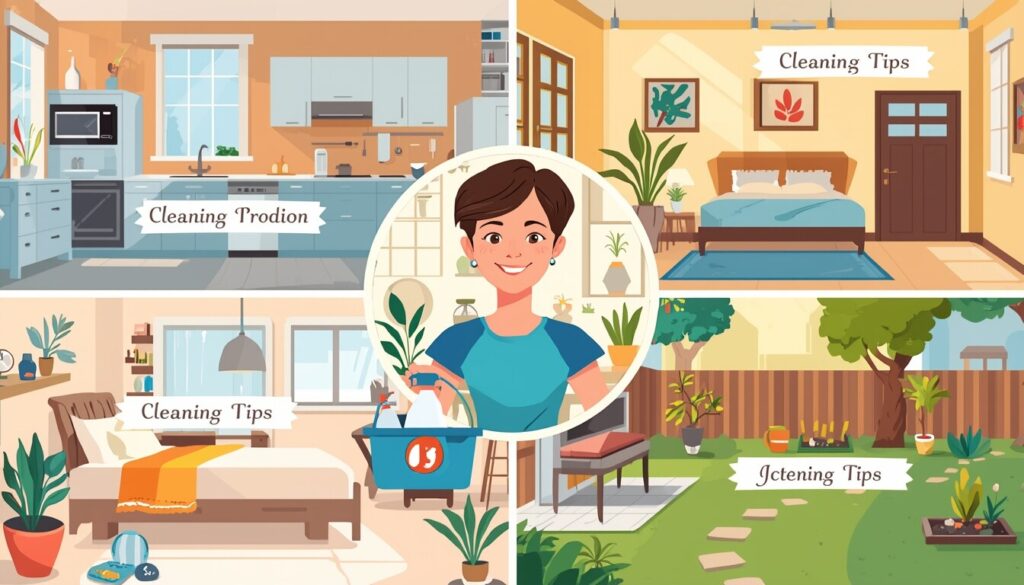
1. Home Cleaning Hacks
Our Home Cleaning Hacks section is perfect for anyone who wants fast, effective cleaning tips for everyday home maintenance.
- Quick Kitchen Cleaning: Learn how to clean your kitchen in under 15 minutes using simple techniques.
- Bathroom Sparkle Tips: Keep your bathroom fresh and germ-free without harsh chemicals.
- Bedroom Organization: Step-by-step routines to declutter and clean your bedroom efficiently.
- Living Room Cleaning: Easy tricks to maintain a clean, welcoming living area.
- Daily Cleaning Habits: Simple daily habits to keep your home spotless effortlessly.
Each hack is designed to save you time, effort, and money, while keeping your home fresh and welcoming.
2. Eco-Friendly Cleaning
We believe that cleaning shouldn’t harm your health or the environment. Our Eco-Friendly Cleaning section focuses on:
- Natural Cleaning Solutions: DIY recipes for floors, windows, and surfaces using ingredients like vinegar, lemon, and baking soda.
- Chemical-Free Dishwashing: Learn how to clean your dishes without toxic soaps.
- Sustainable Cleaning Products: Discover eco-friendly products that are safe for your family.
- Pet-Safe Cleaning Tips: Keep your home safe for your pets while staying spotless.
- Waste Reduction: Reduce waste with reusable cleaning tools and smart storage.
Following these tips ensures a healthy home and a cleaner planet.
3. Specialized Cleaning Tips
Sometimes, your home needs targeted cleaning solutions. This section focuses on problem areas and tough cleaning challenges:
- Carpet Stain Removal: Step-by-step guides to remove stubborn stains quickly.
- Oven & Appliance Cleaning: Safe and effective methods to clean appliances without damage.
- Wooden Furniture Care: Tips to clean and maintain wooden surfaces without harming the finish.
- Mattress & Bedding Cleaning: Keep your sleep space hygienic and allergen-free.
- Pet Hair & Odor Removal: Easy ways to tackle pet hair and odors efficiently.
These guides are designed to tackle difficult tasks while ensuring your home stays in top condition.
DIY & Budget-Friendly Cleaning Projects
At Jinty.space, we also provide budget-friendly DIY projects that make cleaning fun and effective. Some examples include:
- Homemade cleaning sprays and solutions
- DIY organizers to declutter your home
- Easy upcycling tips to repurpose old items for cleaning storage
These tips not only save money but also make cleaning more creative and enjoyable.
Read Latest Posts
- Professional Cleaning Tips for Delicate Surfaces and Fabrics

- Natural Cleaning Solutions That Replace Harsh Chemical Cleaners
- Simple Daily Home Cleaning Habits That Keep Your House Spotless
- Stain Removal Techniques for Clothes That Really Work

- How to Keep Your Home Clean While Staying Eco-Friendly

Reader-Friendly Features
To make your experience on Jinty.space seamless, we include:
- Step-by-step tutorials with clear instructions
- Tables and charts for quick reference
- High-quality images (and videos if possible) for demonstration
- Category filters to easily find content related to your needs
- Search function to get instant solutions
Our goal is to make cleaning easy, practical, and stress-free for everyone.
Join Our Community
We love helping people create healthier, cleaner homes. By joining Jinty.space, you will get:
- Regular updates on latest cleaning hacks
- Exclusive tips for eco-friendly and specialized cleaning
- Advice from a trusted cleaning expert with years of hands-on experience
Connect with us through email: ahmadnawaz09@gmail.com for questions, feedback, or collaboration.
About the Author
Ahmad Nawaz is the founder and chief content creator of Jinty.space. He is a professional cleaning tips blogger with over 4+ years of hands-on experience in home management and cleaning solutions.
- Ahmad has a passion for making cleaning simple and effective for everyone.
- He specializes in home cleaning hacks, eco-friendly solutions, and specialized cleaning techniques.
- His tips are practical, actionable, and tested in real homes, making him a trusted guide for thousands of readers.
- Ahmad believes in sharing budget-friendly, safe, and chemical-free cleaning methods that work for busy families and professionals alike.

Ahmad’s mission is to empower homeowners with the knowledge and tools they need to maintain a spotless, organized, and stress-free home.
Final Note – Your Spotless Home Starts Here
At Jinty.space, we believe a clean home equals a happy home. Whether you are looking for quick daily hacks, eco-friendly solutions, or specialized cleaning guides, you will find practical, proven advice here.
Explore our categories, try our tips, and enjoy a home that’s clean, fresh, and welcoming every day.